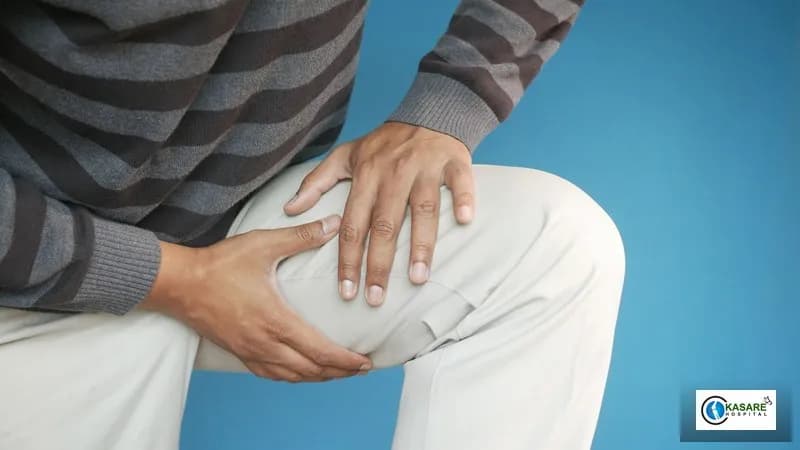
Why does joint pain increase in winter — and what Yavatmal residents need to know this season
As temperatures drop across Vidarbha this November 2026, many residents are asking the same question: why does joint pain increase in winter? The answer involves a combination of atmospheric pressure changes, reduced physical activity, muscle stiffness, and cold-induced nerve sensitivity — all of which intensify discomfort in the knees, hips, shoulders, and spine. For people already managing osteoarthritis, rheumatoid arthritis, or recovering from orthopaedic surgery, the winter months can bring a significant setback.
At Kasare Hospital in Yavatmal, led by Dr. Prashant Kasare (MBBS, D Ortho), the orthopaedic team sees a consistent rise in joint-related consultations every winter season. Understanding why this happens — and what you can do about it — is the first step toward staying mobile and pain-free through the cold months.
Note: If your joint pain has worsened noticeably since the onset of cold weather, an orthopaedic evaluation can help identify whether the cause is mechanical, inflammatory, or nutritional.
Why joint pain increases in winter — the medical reasons explained
Several well-established physiological mechanisms explain why joint pain increases in winter. These are not myths — they reflect real changes in how the body responds to cold and reduced barometric pressure.
- Barometric pressure drop: When atmospheric pressure falls in cold weather, tissues around joints — including tendons, muscles, and scar tissue — can expand slightly, increasing pressure on already sensitive joints.
- Synovial fluid thickening: The fluid that lubricates joints becomes more viscous in cold temperatures, reducing its ability to cushion movement and causing stiffness, especially in the morning.
- Reduced blood circulation: Cold causes blood vessels to constrict. Joints receive less warm, oxygenated blood, which slows tissue repair and heightens pain sensitivity.
- Muscle tightness: Cold muscles are less flexible and more prone to spasm, placing additional load on the joints they support — particularly the knees and lower back.
- Decreased physical activity: People move less in winter, leading to muscle weakening and joint stiffness that compounds existing conditions like osteoarthritis.
- Vitamin D deficiency: Reduced sun exposure in winter lowers Vitamin D levels, which plays a role in bone health and inflammation regulation. Low Vitamin D is associated with increased musculoskeletal pain.
- Nerve hypersensitivity: Cold temperatures can heighten the sensitivity of pain receptors (nociceptors) around joints, making existing pain feel more intense.
Warning: Sudden, severe joint swelling, redness, or fever alongside joint pain in winter may indicate an acute inflammatory flare or infection — seek medical attention promptly rather than managing it at home.
Why winter joint pain is a particular concern for Yavatmal and Vidarbha residents
Yavatmal and the broader Vidarbha region experience sharp temperature drops between November and February, with cold mornings and dry air that can significantly aggravate musculoskeletal conditions. Farming communities in the region are especially vulnerable — physical labour in cold, damp conditions places sustained mechanical stress on the knees, hips, and lower back.
- Older adults with pre-existing osteoarthritis or rheumatoid arthritis are at highest risk of winter flare-ups in Yavatmal.
- Patients who have undergone total knee replacement or total hip replacement at Kasare Hospital are advised to follow specific cold-weather protocols to protect their implants and surrounding tissue.
- Agricultural workers who spend long hours outdoors in cold conditions are prone to acute tendonitis, bursitis, and ankle sprains during winter months.
- Vitamin D deficiency — already prevalent in parts of Maharashtra — worsens in winter due to reduced outdoor sun exposure, compounding joint and bone pain.
Kasare Hospital's orthopaedic team, with 15+ years of experience and over 75,000 patients served, is equipped to assess and manage the full spectrum of winter-related joint conditions — from conservative management to surgical intervention when required.
Joint conditions most affected by cold weather in winter
Winter does not cause new joint diseases, but it reliably worsens several existing conditions. The following are the most commonly aggravated in the Yavatmal orthopaedic clinic during the winter season:
| Condition | How Winter Worsens It |
|---|
| Osteoarthritis | Cartilage becomes stiffer; synovial fluid thickens; pain and stiffness increase, especially in knees and hips |
| Rheumatoid Arthritis | Cold triggers inflammatory flares; morning stiffness lasts longer; small joints of hands and feet are most affected |
| Tendonitis & Bursitis | Reduced circulation slows healing; cold muscles increase tendon strain |
| Spinal Stenosis & Herniated Disc | Muscle spasm around the spine increases nerve compression; back stiffness worsens |
| Post-surgical joints (knee/hip replacement) | Scar tissue and surrounding muscles tighten; implant function is unaffected but perceived stiffness increases |
| Plantar Fasciitis & Ankle Sprains | Cold stiffens the plantar fascia; risk of ankle sprains rises on cold, uneven terrain |
How to manage joint pain in winter — practical steps from Kasare Hospital's orthopaedic team
The following evidence-informed steps can help reduce winter joint pain and maintain mobility through the cold season. These are general wellness recommendations — consult Dr. Prashant Kasare (MBBS, D Ortho) for a personalised plan if your pain is moderate to severe.
- Keep joints warm: Use thermal clothing, knee sleeves, or joint wraps to maintain local warmth. Warm muscles and joints move more freely and experience less pain.
- Stay physically active: Gentle, low-impact exercise — walking indoors, stretching, or water therapy — prevents muscle weakening and maintains joint lubrication. Avoid complete rest, which worsens stiffness.
- Warm up before any activity: Never begin physical work or exercise with cold muscles. A 5–10 minute warm-up significantly reduces injury risk and joint strain.
- Maintain Vitamin D levels: Spend time in morning sunlight when available, and discuss Vitamin D supplementation with your doctor if you have documented deficiency.
- Stay hydrated: Cold weather suppresses the sensation of thirst, but dehydration reduces synovial fluid production. Drink adequate warm fluids throughout the day.
- Use warm compresses or hot water bags: Apply to stiff joints for 15–20 minutes to improve local circulation and reduce morning stiffness.
- Maintain a healthy weight: Every kilogram of excess body weight adds several kilograms of force on the knee joint. Weight management is one of the most effective long-term strategies for osteoarthritis.
- Do not self-medicate with painkillers long-term: Over-the-counter pain relief may mask symptoms without addressing the underlying cause. Prolonged use carries gastrointestinal and renal risks.
- Consult an orthopaedic specialist if pain worsens: If joint pain is disrupting sleep, limiting daily activity, or not responding to conservative measures within two weeks, seek a formal evaluation.
Tip: Exercises that strengthen the quadriceps (front thigh muscles) are particularly effective for reducing knee joint pain in winter — ask the Kasare Hospital team about a safe home exercise programme.
Orthopaedic services at Kasare Hospital for winter joint pain in Yavatmal
Kasare Hospital offers a comprehensive range of orthopaedic services in Yavatmal to diagnose and treat the full spectrum of joint conditions that worsen in winter. Whether you need conservative management or surgical intervention, the team is equipped to provide care under one roof.
- Osteoarthritis treatment — including medication management, physiotherapy guidance, and joint injections where appropriate
- Total knee replacement and total hip replacement — performed in Kasare Hospital's International Standard Modular Operation Theatre, the first of its kind in Yavatmal and third in Central India
- Arthroscopy — minimally invasive joint evaluation and treatment for ACL tears, meniscus injuries, and rotator cuff conditions
- Spine surgery — for spinal stenosis, herniated disc, and scoliosis correction
- Sports injury rehabilitation — structured recovery programmes for tendonitis, bursitis, ankle sprains, and plantar fasciitis
- Fracture management and emergency trauma care — rapid stabilisation and post-trauma rehabilitation
- Diagnostic imaging and lab tests — on-site X-rays, diagnostic imaging, and pre-operative assessments available in-house
All surgical procedures are performed by Dr. Prashant Kasare (MBBS, D Ortho) with NABH-standard protocols ensuring safe, standardised care. Cashless treatment is available with authorised mediclaim providers, and EMI options are offered for affordable access to orthopaedic care across Yavatmal and Vidarbha.
Book a consultation at Kasare Hospital
Use the booking form on this page, or reach out directly:
Call: +91 9823112882
WhatsApp: 9823112882