What is Knee Arthroscopy?
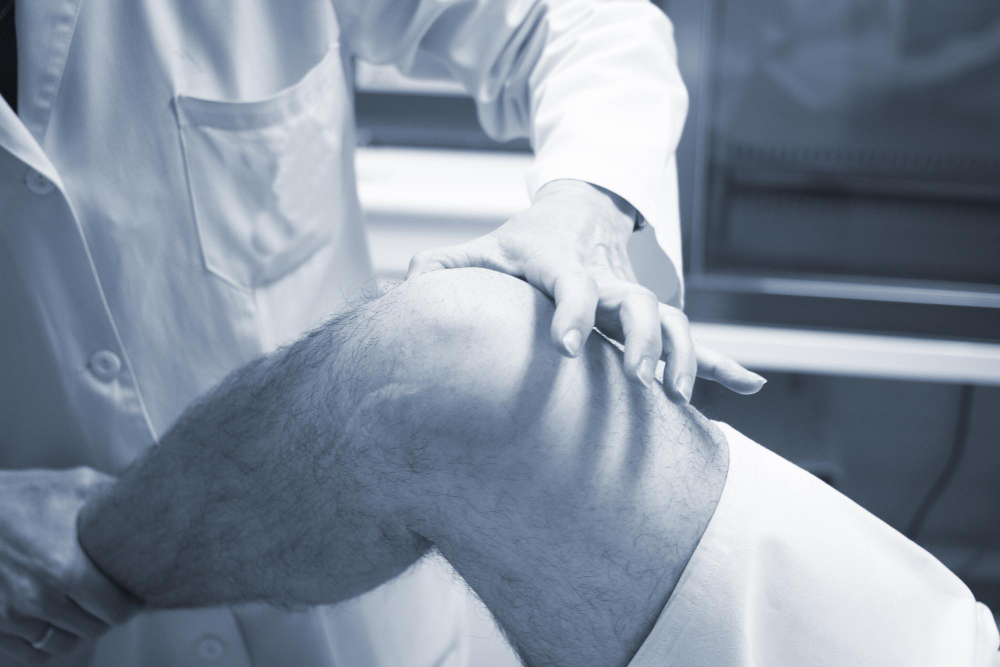
Knee arthroscopy is a type of minimally invasive knee surgery. Doctors use a small camera, called an arthroscope, to look inside your knee. Because the cuts are small, healing is often quicker than with open surgery. Many people choose this option for knee pain or injury. In fact, knee arthroscopy is one of the most common orthopedic procedures today. This surgery helps doctors see, diagnose, and treat knee problems without making large cuts.
Indications: When is Knee Arthroscopy Needed?
Doctors may suggest knee arthroscopy for several reasons. Sometimes, knee pain does not improve with rest or medicine. In other cases, injuries or damage inside the knee need a closer look. For example, you might need this surgery if you have:
However, not every knee problem needs surgery. Your doctor will help decide if knee arthroscopy is right for you.
The Knee Arthroscopy Procedure: Step-by-Step
Before surgery, your doctor will explain what to expect after knee arthroscopy. The steps are usually as follows:
Most people go home the same day. Even so, you will need someone to drive you home after the procedure.
Benefits of Knee Arthroscopy
Knee arthroscopy offers many advantages over open surgery. For instance, the cuts are much smaller. As a result, you may have:
Because it is minimally invasive, recovery is often quicker. Still, results depend on your overall health and the reason for surgery.
Risks and Possible Complications
Although knee arthroscopy is safe, every surgery has risks. It is important to know about possible knee arthroscopy risks. These may include:
However, most people recover without serious problems. Your doctor will discuss these risks before surgery. According to the CDC and orthopedic journals, serious complications are rare.
Recovery and Aftercare Tips
After knee arthroscopy, recovery is usually faster than with open surgery. Still, you need to follow your doctor’s advice for the best results. Here are some tips for knee arthroscopy recovery:
Most people return to normal activities within a few weeks. However, full recovery may take longer if you had major repairs. Always ask your doctor what to expect after knee arthroscopy.
Prevention and Lifestyle Guidance
Even after surgery, you can take steps to protect your knees. For example, you can:
Because healthy habits lower your risk of future knee problems, it is wise to follow your doctor’s advice. If you notice new pain or swelling, contact your healthcare provider right away.
Consult an orthopedic specialist at Kasare Hospital, Yavatmal to discuss if knee arthroscopy is right for you.