
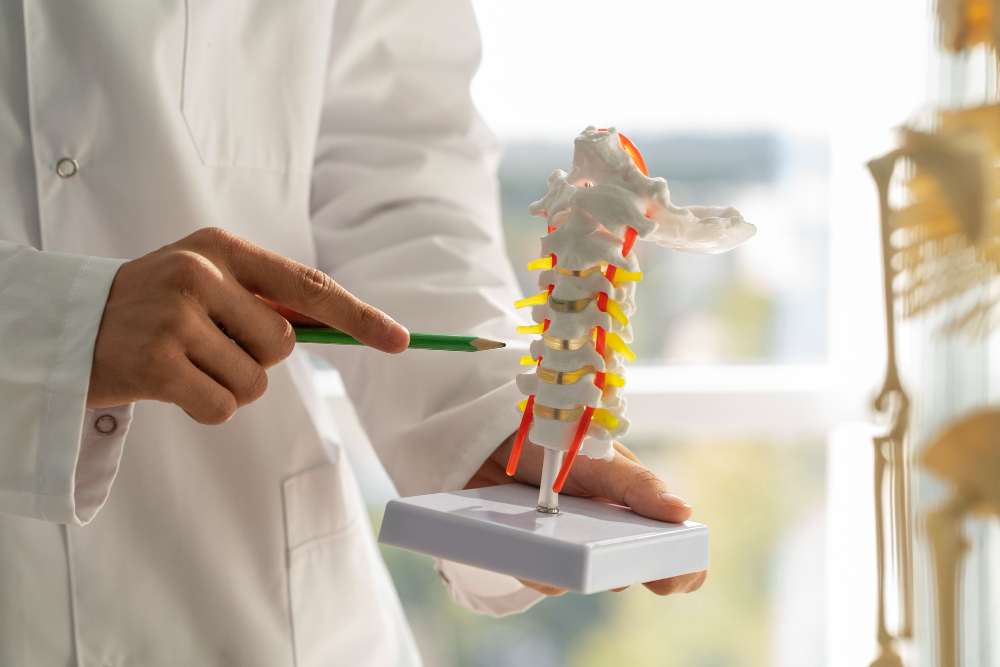
What Is a Herniated Disc?
A herniated disc happens when the soft center of a spinal disc pushes out through a crack in the tougher outer layer. This condition is also called a slipped or ruptured disc. Because the disc can press on nearby nerves, it may cause pain or numbness. Many people experience a herniated disc in the lower back, but it can also occur in the neck. Early orthopedic care for herniated disc issues can help prevent long-term problems.
Common Symptoms of a Herniated Disc
Not everyone with a herniated disc has symptoms. However, many people notice changes in how they feel. For example, you may experience:
Sometimes, the pain is sharp or burning. In other cases, it feels like a dull ache. If you notice these herniated disc symptoms, you should talk to a doctor.
Causes and Risk Factors
There are several reasons why a herniated disc may develop. Most often, it is due to wear and tear as you age. This process is called disc degeneration. However, other factors can increase your risk, such as:
Because these risk factors add up over time, it is important to know how to prevent herniated disc problems before they start.
How Is a Herniated Disc Diagnosed?
Doctors use several steps to diagnose a herniated disc. First, they ask about your symptoms and medical history. Next, they perform a physical exam to check for pain, numbness, or weakness. Sometimes, your doctor may order tests, such as:
With these tools, doctors can find the exact location and severity of the herniated disc. Early diagnosis helps guide the best herniated disc treatment options.
Treatment Options for Herniated Disc
Most people with a herniated disc get better with simple treatments. For example, your doctor may suggest:
In some cases, doctors may recommend steroid injections to reduce swelling. Rarely, surgery may be needed if symptoms do not improve or if you have severe nerve problems. According to the CDC and leading orthopedic journals, most people recover without surgery.
Lifestyle Tips and Prevention
There are many ways to lower your risk of a herniated disc. For instance, you can:
Because prevention is easier than treatment, these steps can help you avoid future problems. If you want to know more about how to prevent herniated disc issues, ask your doctor for advice.
When to See an Orthopedic Specialist
Sometimes, herniated disc symptoms need expert care. You should see an orthopedic specialist if you have:
Because these signs may point to serious problems, do not wait to get help. Early orthopedic care for herniated disc issues can lead to better results.
Conclusion
A herniated disc can cause pain and limit your daily activities. However, with the right care, most people recover well. Remember, early diagnosis and treatment make a big difference.I f you have symptoms or concerns regarding a herniated disc, consult a specialist at Kasare Hospital Yavatmal for personalized guidance. Our expert team provides accurate diagnosis and effective treatment options to ensure your health and well-being.