
Dentistry • Dental Implants • 8 Min Read
By the Dental Team at Kasare Hospital, Yavatmal
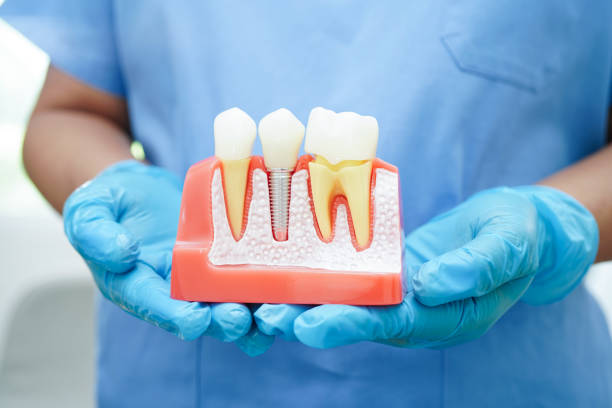
Dental implants are artificial tooth roots. Dentists place them into your jawbone to support replacement teeth. Often, people choose dental implants to replace missing teeth. Because they look and feel like natural teeth, many prefer them over dentures or bridges. Dental implants can help you chew, speak, and smile with confidence.
Dental implants offer many advantages. For example, they can:
Look and feel like real teeth
Help you eat and speak easily
Prevent bone loss in your jaw
Last for many years with proper care
Do not need support from nearby teeth
Additionally, dental implants can boost your self-esteem. Unlike dentures, they do not slip or move in your mouth.
Not everyone can get dental implants. However, you may be a good candidate if you:
Have one or more missing teeth
Have healthy gums
Have enough bone in your jaw
Do not smoke or are willing to quit
Are in good overall health
Still, your dentist will check your mouth and health history. Sometimes, people need extra treatments, like bone grafts, before getting dental implants.
The dental implant procedure usually takes several months. Here is what you can expect:
Consultation: First, your dentist checks your mouth and takes X-rays.
Planning: Next, your dentist creates a treatment plan just for you.
Implant Placement: Then, the dentist places the implant into your jawbone. You may get local anesthesia to stay comfortable.
Healing: After that, your bone grows around the implant. This process, called osseointegration, can take several months.
Abutment Placement: Once healed, the dentist attaches a small connector, called an abutment, to the implant.
Crown Placement: Finally, your dentist places a custom-made crown on top. This crown looks like a real tooth.
Throughout the process, your dentist will guide you and answer your questions.
Dental implants are safe for most people. Still, like any surgery, there are some risks. For instance, you may experience:
Infection at the implant site
Injury to nearby teeth or nerves
Sinus problems (for upper jaw implants)
Implant failure if the bone does not heal well
However, most problems are rare and can be treated. Choosing a skilled dentist lowers your risk of complications.
Proper aftercare helps your dental implants heal and last longer. Here are some tips:
Follow your dentist's instructions closely
Take prescribed medicines as directed
Eat soft foods for a few days
Keep your mouth clean but avoid brushing the surgery area at first
Do not smoke, as it can slow healing
Moreover, attend all follow-up visits. Your dentist will check your healing and answer your questions.
Once your dental implants heal, you need to care for them like natural teeth. For best results:
Brush twice a day with a soft toothbrush
Floss daily to remove food and plaque
Visit your dentist regularly for check-ups and cleanings
Avoid chewing hard items, like ice or hard candy
With good care, dental implants can last many years.
Still, if you notice pain, swelling, or loose implants, contact your dentist right away.
Dental implants can restore your smile and improve your quality of life. While there are some risks, most people enjoy long-lasting results. If you are thinking about dental implants, consult a qualified dentist at Kasare Hospital for personalized advice.
Consult our dental specialists at Kasare Hospital, Yavatmal to find out if dental implants are right for you.