










Dr. Prashant Kasare
Consulting Orthopaedic Surgeon
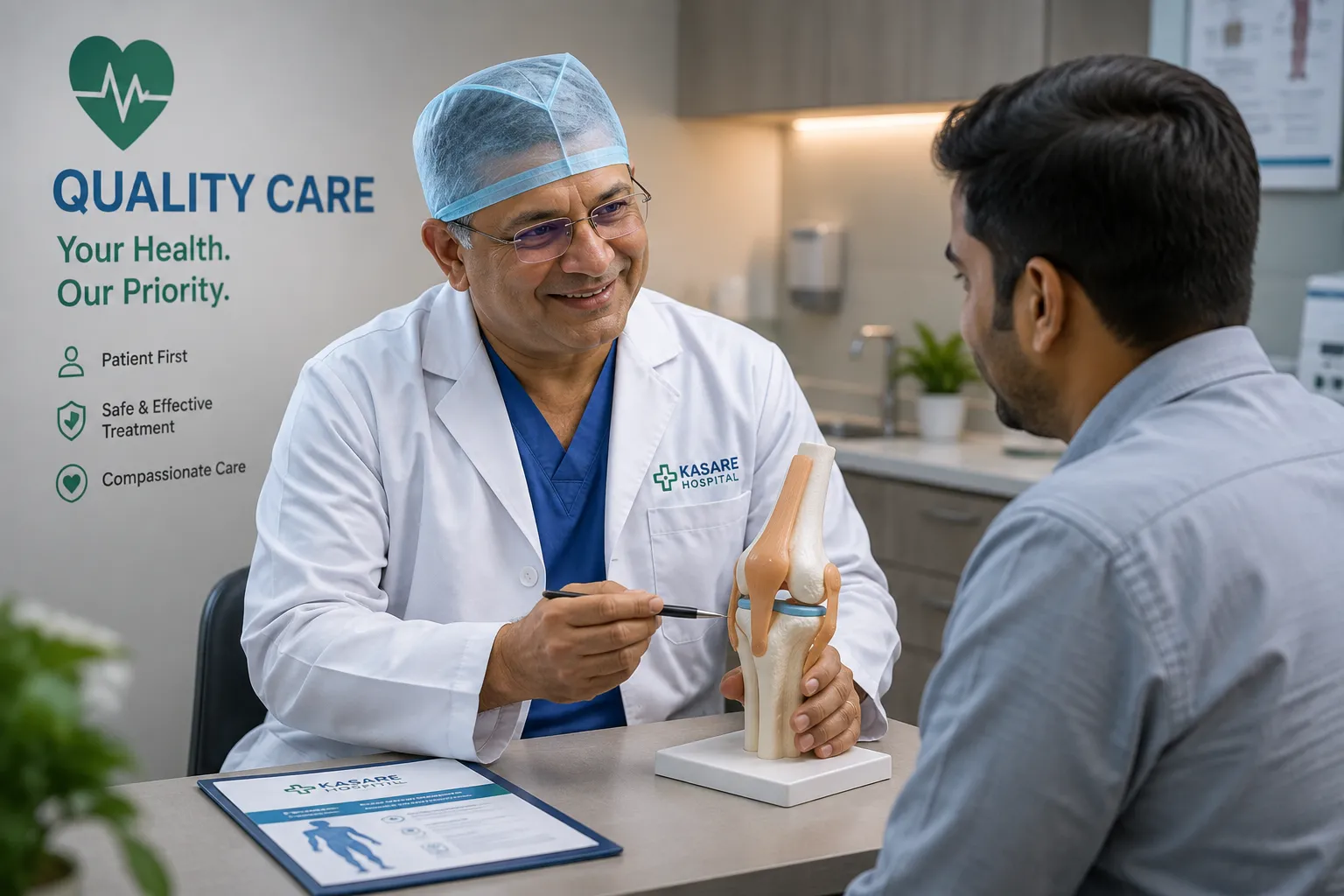
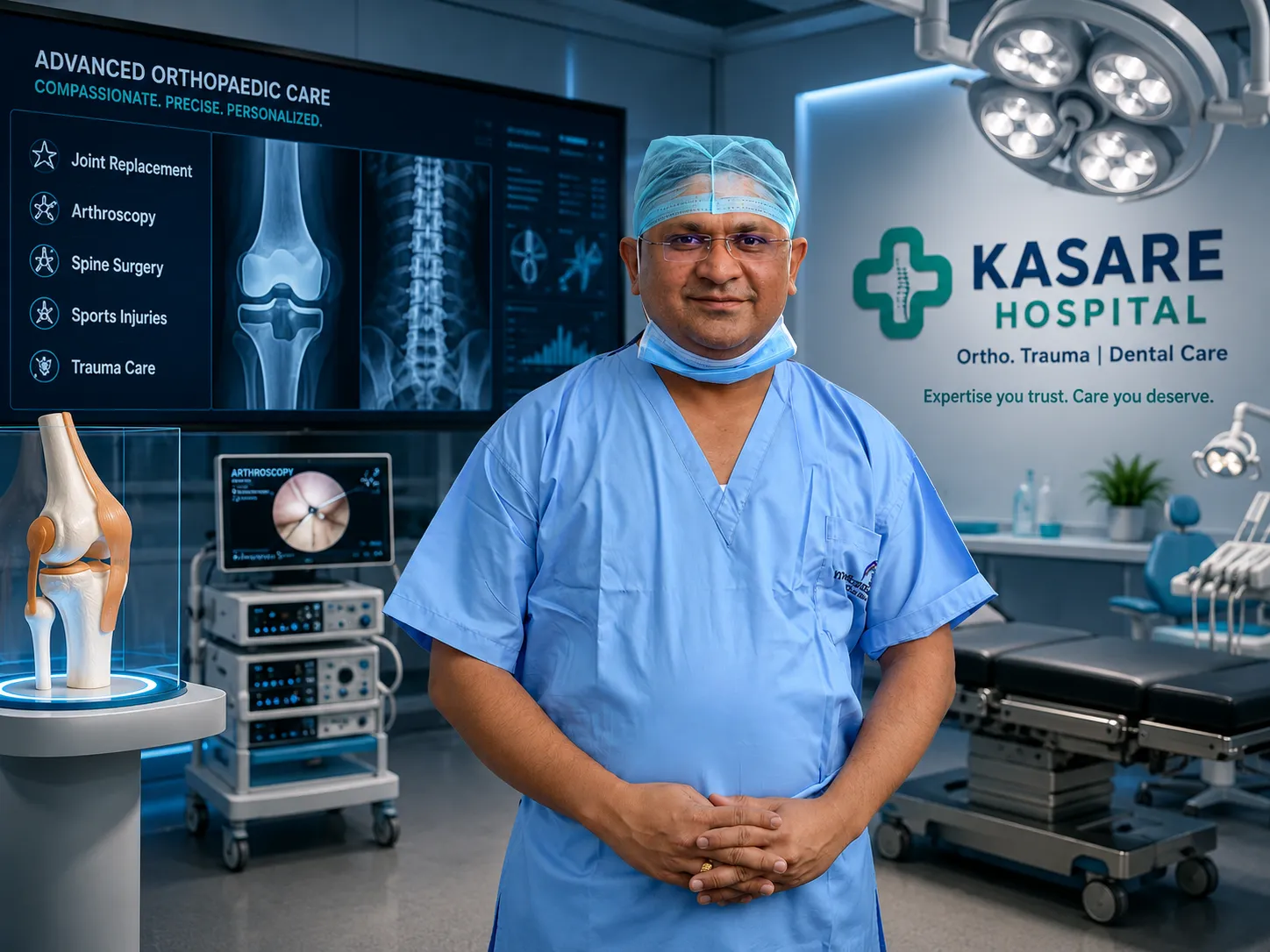
Dr. Prashant G. Kasare Patil is a Consultant Orthopaedic Surgeon and Director of Kasare Hospital, with over a decade of experience in diagnosing and treating a wide range of orthopaedic and musculoskeletal conditions, including fractures, joint disorders, sports injuries, spinal conditions, and complex orthopaedic problems. He has undergone comprehensive orthopaedic training at Mahatma Gandhi Hospital, Parel, and has pursued specialised training in key areas of orthopaedic surgery, including Hand Surgery under Dr. B. B. Joshi, Foot & Ankle Surgery under Dr. Rajiv Shah, and Joint Replacement Surgery under Dr. A. V. Guravareddy. His clinical experience also includes exposure to leading institutions such as RML Hospital, AIIMS, and Lilavati Hospital. With extensive clinical experience and specialised training across multiple subspecialties, Dr. Prashant G. Kasare Patil follows an evidence-based and patient-centred approach to orthopaedic care. His focus is on accurate diagnosis, personalised treatment, pain relief, restoration of mobility, and helping patients achieve a better quality of life. As the Director of Kasare Hospital, he also brings a strong understanding of healthcare management and hospital operations. He has completed the Executive Programme in Healthcare Management from the Indian Institute of Management Calcutta (IIM Calcutta), further strengthening his expertise in healthcare strategy, hospital administration, operational excellence, and patient-centred service delivery.
View Profile